

Phonics and Early Reading
Phonics and Early Reading
At Bay Primary School, we recognise that reading is the foundation for all learning and is central to pupils’ success across the curriculum. Our approach to phonics and early reading is guided by the National Curriculum (2014) and the Reading Framework (DfE, 2023), which emphasise the importance of systematic, high-quality phonics teaching as the most effective way to teach young children to read and spell words accurately and fluently.
Phonics is taught using Essential Letters and Sounds, a resource created to ensure every child can read well, quickly. This approach combines the systematic teaching of phonics with vocabulary development, comprehension, spelling and handwriting, through engaging and well-structured daily lessons.
Essential Letters and Sounds is based on simplicity and consistency, designed to provide:
- High-quality first teaching;
- Consistency in terminology;
- Consistency in resources;
- Repetition and reinforcement;
- Regular, manageable assessment;
All staff in EYFS and KS1 are given extensive training to be able to deliver lessons and interventions with rigour and consistency. Through this consistent and evidence-based approach, we aim to ensure that all children develop the essential skills and enthusiasm for reading that will support their success throughout their education and beyond.
Phonics Terminology
Phoneme – The smallest single identifiable sound: for example, the letters ‘sh’ represent one phoneme (/sh/) but ‘sp’ represents two (/s/ and /p/).
Grapheme – A letter or a group of letters representing one phoneme: for example, , , .
Sound talk – Oral sounding out of a word into its individual phonemes: for example, c-a-t.
Blending – To draw individual sounds together to pronounce a word: for example, s-n-a-p, blended together, reads ‘snap’.
What does an Essential Letters and Sounds phonics lesson look like?
There are two different types of lessons that children take part in. The first, teaches children a new grapheme-phoneme correspondence (letter and sound), allowing them to practise it immediately. The second is a review lesson which encourages children to recap and apply a range of previous learning.
When teaching new letters and sounds, the lessons follow a 5-part structure:
Review previously taught GPCs 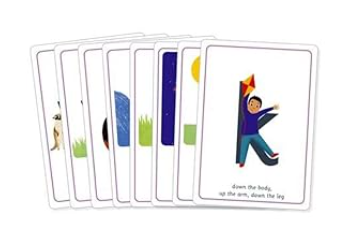
Teach new GPC, using the image and the
rhyme, then how it is used in key words
Practise reading words that contain
the new GPC
Apply this new knowledge by reading
phrases and sentences that include words
containing the new GPC and then complete
an apply sheet to consolidate learning
Review previously taught GPCs with the
inclusion of the new one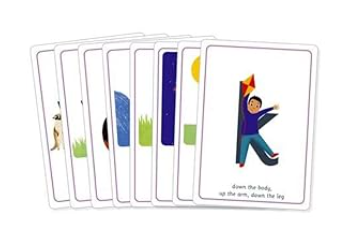
The review lessons focus more on children applying their knowledge of previously taught GPCs through reading and writing them in words and sentences.
Application in reading
Repeated reading of decodable books (books which match the phonics they have been taught) is essential. Children keep a reading book for a week, reading it multiple times. As new readers, children are taught to read sentences 3 times: first to decode (sound out), second to read more fluently and third to read with expression. Each of these stages can be repeated until a child is confident.
Towards the end of Year 1, children have to complete the statutory Year 1 phonics check. This is a short, light-touch assessment to confirm whether individual children have learnt phonic decoding to the appropriate standard. It will identify the children who need extra help so they are given support by the school to improve their reading skills. They will retake the check in Year 2 so we can track pupils until they are able to decode.